Trichogramma: Best Results
- Start releases at first moth flight
- Use light traps, pheromone traps, or field monitoring
- Plan shipments ahead of time
- Continue releases until moth pressure declines
- Best as a preventive, repeated-release program
- Available on RVI cards or as loose eggs for spray, blower, or drone release
- Ask us for help with release timing, spacing, and labor-saving methods
Important: Trichogramma are most effective when released early, repeated as needed, and matched to moth
activity in the field.
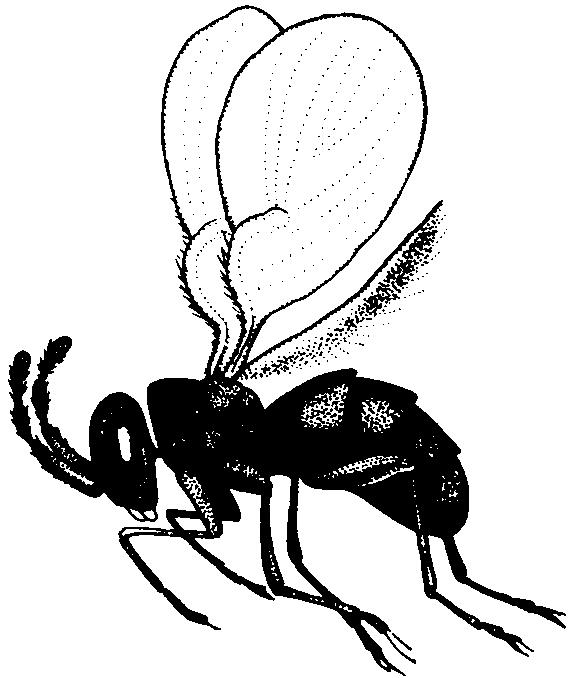
Parasitic Trichogramma Micro-Wasps to Kill Moth Eggs
Trichogramma are tiny parasitic wasps that lay their eggs inside the eggs of moths, preventing those eggs
from hatching into destructive caterpillars. For best results, begin releases at the first flight of
moths whose caterpillars damage your plants.
Trichogramma work best as a preventive program and usually require repeated releases timed to moth
activity. They are not a "one-and-done" treatment. Planning, monitoring, and persistence make the
difference.
Success Depends on Timing and Monitoring
To use Trichogramma effectively, monitor during expected moth flight with simple light traps, pheromone
traps, or other methods so you can detect when moths are flying before they begin laying eggs.
Plan ahead to schedule Trichogramma shipments. Continue releases until adult moth trap counts decline.
Ask us about labor-saving techniques such as ATV-mounted blowers, spray release, or aerial release on
local crops. We can also provide referrals.
How Trichogramma Are Shipped and Released
Trichogramma are available on RVI cards or as loose eggs for spray, blower, or drone release.
We designed our perforated and punched card with 30 release units. Each unit, or tab, has a built-in
hook
that fits over a quarter-inch stem.
As soon as the cards arrive, cut them into 30 hangable tabs and incubate at about 70-75 F until they
begin hatching, usually in the morning. Hang tabs on or near plants, vines, or trees. If you cannot
release
them all in one day, keep part of the cards at 55-60 F to slow down hatching by a half day to a day.
Ants and earwigs may eat parasitized eggs from the cards, so it is best if the wasps are already
emerging
when you place the tabs in the field.
Old-Fashioned Adult Release Method May be the Most Cost-Effective
Releasing fully emerged adult Trichogramma from a container can be a very cost-effective method
resulting
in the greatest number of mated females being released..
Start by making 'honey paper.' Soak a sheet of light-colored paper in dilute honey, let it dry until
just
dry to the touch, then cut it into shreds.
Place the loose eggs or a Trichogramma card in a dark-colored paper or glass container (not plastic). A
wide-mouth quart jar wrapped in dark cloth or foil works well. Add one or two handfuls of honey-paper
shreds with the card.
As the wasps emerge, they will be barely visible feeding on the honey paper. This meal can extend their
searching ability and life by 1 to 3 days.
How to Make Releases from a Container of Emerged Adults
Be prepared to walk the field when females are emerging and mating in the container. Males emerge
first,
and you may see dead males in the bottom of the jar.
Female wasps are attracted to sunlight. As you crack open the container, a few at a time will escape
and
glide on air currents into the foliage.
When wasps stop moving past the lid, remove the honey-paper shreds and wave them gently or place them
on
the foliage. This can also be done by a passenger on an ATV.
Release Spacing and Movement
In high moth egg densities, releases should be distributed every 5 to 30 meters.
In low moth egg densities, some Trichogramma may move up to 1,000 meters, and sometimes farther in a
breeze. On windy days, make releases upwind.
The released Trichogramma will find and parasitize early-laid moth eggs. Their offspring then emerge
and
continue searching for moth eggs, becoming field-adapted and turning over generations every couple of
weeks
on many kinds of moth eggs in the vicinity.
Need Help Planning a Trichogramma Program?
Because timing, release rate, and release method are so important, we encourage growers to contact us
before ordering if possible.
We can help you think through:
- Expected moth flight timing
- Trap-based monitoring
- Cards vs. loose eggs
- Hand placement vs. ATV, blower, spray, or drone release
- Repeated release scheduling
- Local referrals for larger-scale application methods
Rate/Freq: More important than rates is timing and higher numbers more frequently during moth flight. An
average of 1/4 card to 2 cards per acre weekly during moth flights, highest during high moth trap counts.
Releases are most effective at small rates starting with first moth flight. For corn and tomatoes, use
1/10
card per acre per week. Trichogramma can be two days in transit except on very hot days, if you plan to
release soon after receipt.
All or part of a Trichogramma order can be packed cold so you can hold part of
the shipment ideally at 55F and release every 3 to 5 days over an 8-10 day period. Holding at 55F will
reduce quality of the wasps, but the trade-off will be getting some wasps into the field over a longer
period without multiple shipments.
|